Health and safety
On a commercial site compliance comes before quality and before speed, because a job that stops a site or hurts somebody is not a fast job. Here is what we run, what we bring, and what you can ask us for.
- SiteWise Green
- Dust extracted at the blade
- Annual health monitoring
- Electric saws, no fumes indoors
SiteWise Green
Direct Concrete is SiteWise Green, passed on the first assessment.
SiteWise assesses the systems behind the paperwork: hazard management, training, equipment, health monitoring and how they are reviewed. Ours passed, and we keep them current between assessments rather than rebuilding them for the next one.
If you run a prequalification system of your own, tell us which one and what you need in it. We do that paperwork before the job, so the first hour on site is cutting.
Silica dust
Cutting, drilling and grinding concrete releases crystalline silica. The crystals are light, they float long after the saw has stopped, and they do not settle out of a room the way builders' dust does. Breathed in over time they cause silicosis, which is irreversible.
That is the reason this page exists and the reason our kit looks the way it does. Dust is a design problem, not a cleaning problem, so we deal with it at the blade.
-
Extraction at the blade
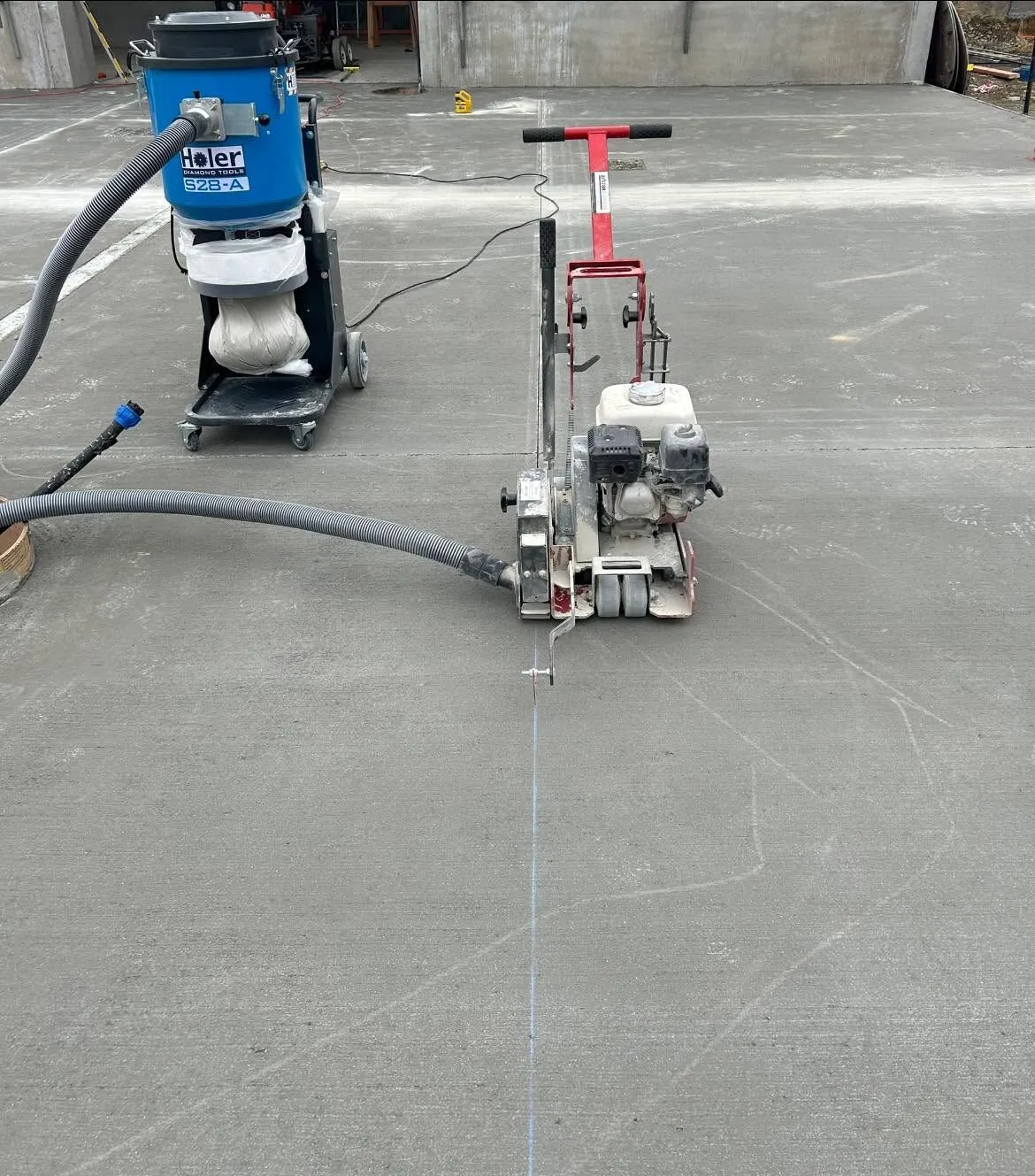
A dry vac runs straight off the soft cutter so the dust is captured as it is made, rather than blown across the floor and swept up later.
-
Wet cutting where the job allows
Water at the blade stops the dust becoming airborne in the first place. It is the simplest control there is and it is the default outdoors.
-
Slurry caught and disposed of
Wet cutting makes slurry, so a slurry vac catches, manages and disposes of it instead of it running into your drains or drying into dust tomorrow.
-
Electric saws indoors
Our saws are high frequency electric, three phase through an inverter, so working inside a building adds no engine fumes on top of the dust.
A WorkSafe New Zealand silica management course is in progress.
What we bring to site
Ask for any of it and it comes through before we book the day, not after.
-
A site specific safety plan for your job, not a generic template with your name at the top.
-
Safety data sheets for anything we bring on site.
-
An equipment register and current tag and test records for the gear that needs them.
-
Inductions completed before we start, on your system or the principal contractor’s.
-
Health monitoring records for the operator, on request.
Health monitoring
The operator is health monitored annually: lungs, eyes and hearing, through our health and safety manager.
Monitoring is the part nobody asks for and the part that proves the controls actually work. Dust extraction you can see. Lung function measured year on year is the evidence that it was doing something. Records are available on request if your prequalification system wants them.
Health and safety questions
Are you SiteWise prequalified?
Yes. Direct Concrete holds a SiteWise Green rating. Ask and we will send the prequalification documents through before we come to site.
Do you have a silica dust plan?
Yes. Silica is the hazard that defines this trade, so dust is controlled at the blade rather than swept up afterwards: extraction on the soft cutter, wet cutting where the job allows it, and a slurry vac to catch and dispose of the residue. Indoors we use electric saws, so there are no engine fumes on top of the dust.
Can you send your health and safety documents before the job?
Yes, and we would rather you asked for them early than on the morning we arrive. Tell us which system you run and what you need in it, and we will have it with you before we book the day.
Will you complete our site induction?
Yes. We complete inductions on your system or the principal contractor’s before we start work, and we will not turn up expecting to be waved through. On the larger sites in this region that is normal and we are used to it.
Ask for the pack
Tell us which prequalification system you run and what you need in it, and the documents come through before we book the day.